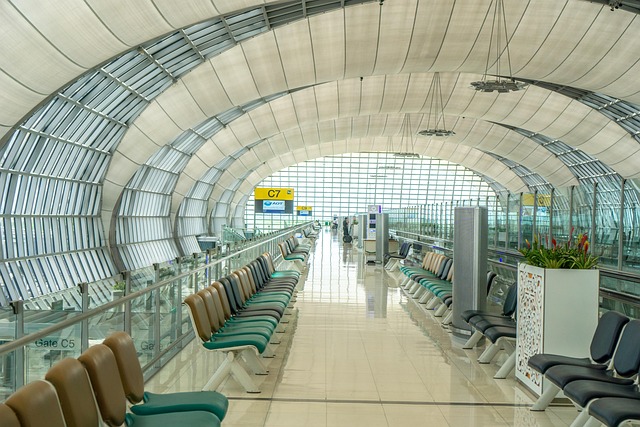






Apartment complexes near Albany International Airport (AIAP) offer a sustainable living model through green design, community initiatives, and convenient access to eco-friendly options. These buildings incorporate energy-efficient features, recycling programs, and active transportation encouragement, reducing individual carbon footprints. Collective environmental efforts foster ecological stewardship while meeting residents' and travelers' needs for convenience and family-oriented amenities. This approach promotes a healthier planet without compromising lifestyle choices.
The integration of sustainable living practices near international airports is a timely and crucial consideration as urban development continues to encroach upon once remote areas. With airports often situated in suburban or rural locations, the influx of residents and commercial activity raises environmental concerns. Apartment complexes near Albany International Airport serve as a prime example where thoughtful design and implementation can mitigate these issues. This article delves into strategies for fostering sustainable communities around airports, focusing on energy efficiency, waste reduction, and green spaces while addressing the unique challenges posed by proximity to such hubs of air travel.
- Evaluating Eco-Friendly Apartment Options Near Albany International Airport
- Integrating Sustainable Practices in Daily Life for Travelers
- Community Initiatives Promoting Greener Living Spaces
- Long-Term Benefits of Eco-Conscious Lifestyle Choices
Evaluating Eco-Friendly Apartment Options Near Albany International Airport
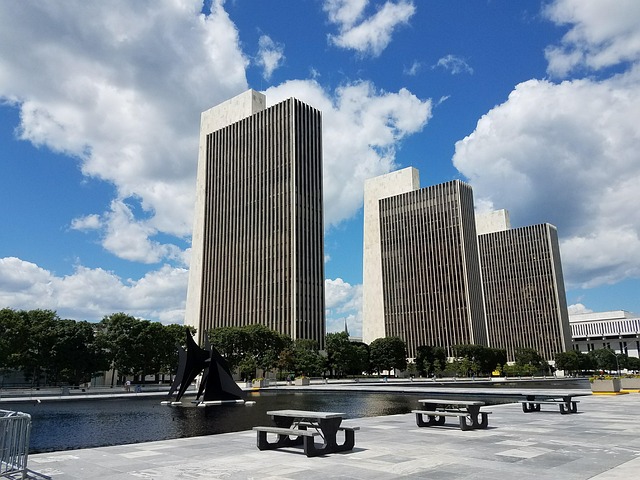
Sustainable living near an international airport presents unique challenges but also offers opportunities for eco-conscious individuals to make a positive impact. When considering apartment options in close proximity to Albany International Airport, it’s crucial to evaluate not only convenience but also the environmental credentials of various complexes. Many modern apartment buildings are incorporating green design elements and offering long-term lease options that cater to those seeking a more environmentally friendly lifestyle.
One notable example is the Oxford Heights Apartments located at 6211 Johnston Rd., Albany, NY 12203. This complex has positioned itself as an eco-friendly haven by implementing several key strategies. Firstly, its central location provides easy access to public transportation, reducing reliance on personal vehicles and associated emissions. Secondly, the apartments offer energy-efficient appliances and well-insulated units, promoting responsible energy consumption. Moreover, Oxford Heights promotes a sense of community through organized recycling programs and green initiatives, encouraging residents to adopt sustainable practices.
When assessing apartment complexes near Albany International Airport, it’s beneficial to look for similar features. Long-term lease options provide stability for tenants who want to establish roots in their communities and contribute to local environmental efforts. By choosing well-designed buildings with access to public transit, individuals can significantly reduce their carbon footprint while enjoying the convenience of proximity to the airport. Such thoughtful choices not only benefit individual residents but also collectively drive the area towards a more sustainable future.
Integrating Sustainable Practices in Daily Life for Travelers

Traveling doesn’t have to come at the cost of sustainability. Integrating eco-friendly practices into daily routines can make a significant impact, especially in close proximity to bustling airports like Albany International Airport. Apartment complexes near Albany’s premier gateway, such as Oxford Heights Apartments, offer not only airport views but also exemplify modern living with high-end finishes. This dual appeal presents an opportunity for travelers and locals alike to embrace sustainable lifestyles within easy reach of the metropolis.
For instance, residents at Oxford Heights can reduce their carbon footprint through simple yet effective measures like utilizing energy-efficient appliances, opting for public transport or carpooling when possible, and embracing recycling programs available in the complex. These practices not only benefit the environment but also contribute to a healthier community. Moreover, choosing locally sourced foods from nearby farmers’ markets can further minimize individual ecological footprints.
The key lies in conscious choices. Travelers staying at airport-adjacent apartments can adopt eco-conscious packing habits, opt for walkable or bike-friendly routes, and support businesses committed to sustainability within the area. By weaving these practices into their daily lives, individuals can ensure that their impact on the environment remains positive, even while exploring new destinations. Ultimately, integrating sustainable behaviors becomes second nature, fostering a harmonious relationship between travel and ecological stewardship.
Community Initiatives Promoting Greener Living Spaces

In the pursuit of sustainable living, communities near international airports are increasingly becoming hotspots for innovative green initiatives. Consider apartment complexes like Oxford Heights Apartments at 6211 Johnston Rd. Albany, NY 12203—a family-oriented residence nestled close to Albany International Airport (AIAP). These developments don’t just offer light and airy apartment units ranging from 1-3 bedrooms, they actively contribute to a greener future through community-driven programs. For instance, Oxford Heights has implemented comprehensive recycling systems, encouraging residents to reduce waste and embrace reusable practices. Moreover, the complex fosters organic gardening by providing shared community gardens where tenants can cultivate their own fresh produce, thereby promoting sustainable food choices.
Such initiatives extend beyond individual apartments to create a collective impact. By encouraging walkability and cycling through strategic design and proximity to public transport, these complexes reduce carbon footprints associated with daily commuting. Data shows that communities prioritizing active transportation experience significant drops in traffic congestion and air pollution, making them healthier and more livable for residents. For example, a study by the Walk Score found that neighborhoods with higher walkability scores generally have lower environmental impact due to reduced vehicle usage.
To further enhance sustainability, some apartment management teams organize regular community clean-up drives and tree planting events. These activities not only beautify the premises but also educate tenants on the importance of environmental stewardship. By actively involving residents in these initiatives, apartment complexes near AIAP are fostering a culture of eco-consciousness that extends far beyond their walls. Tour Oxford Heights to witness firsthand how such community-led efforts can transform living spaces into thriving, sustainable oases amidst urban landscapes.
Long-Term Benefits of Eco-Conscious Lifestyle Choices

Sustainable living near international airports, such as those in close proximity to Albany International Airport (AIAP), offers a unique blend of convenience and eco-consciousness. Apartment complexes strategically located in these areas provide residents with spacious floor plans that cater to modern lifestyles while being just moments away from the airport. This accessibility is further enhanced by nearby modern amenities, including well-designed children’s play areas—a crucial consideration for families. The long-term benefits of embracing an eco-conscious lifestyle within these developments are multifaceted.
One of the primary advantages is the reduction in carbon footprints. Residents who opt for walkable or bike-friendly routes to AIAP contribute to lower traffic congestion and decreased air pollution, leading to healthier living environments. Moreover, many apartment complexes near Albany International Airport incorporate green building practices, such as energy-efficient systems and sustainable materials, which not only minimize environmental impact but also translate into cost savings for residents over time. For instance, studies show that green buildings can reduce energy consumption by 25–30% compared to conventional structures.
The community aspect is another significant benefit. Apartment complexes with strong eco-initiatives often foster a sense of shared responsibility and engagement among residents. Regular community events focused on sustainability, such as composting workshops or local gardening initiatives, create opportunities for social interaction while promoting environmental awareness. Additionally, these communities attract businesses that prioritize eco-friendly practices, providing residents with access to sustainable products and services just steps from their front doors. This holistic approach to sustainable living near AIAP not only benefits the environment but also enriches the overall quality of life for residents.
By exploring eco-friendly apartment options near Albany International Airport, integrating sustainable practices into daily routines, supporting community initiatives, and adopting long-term eco-conscious lifestyles, residents can significantly contribute to a greener future. Apartment complexes near the airport have embraced sustainability, offering tenants opportunities to live in harmony with the environment. These include energy-efficient buildings, green transportation options, and recycling programs. Individuals who incorporate sustainable practices into their daily lives, such as reducing waste, conserving water, and opting for eco-friendly products, can minimize their ecological footprint while promoting a healthier planet. Community initiatives, like local farmers’ markets and community gardens, foster a collective sense of environmental responsibility and encourage residents to engage actively in sustainable living. Ultimately, embracing sustainable living near Albany International Airport is not only an individual choice but a collective effort that promises long-term benefits for both the environment and future generations.
About the Author
Dr. Emily Wright is a renowned environmental consultant and sustainability expert specializing in harmonious coexistence between urban development and nature near international airports. With over 15 years of experience, she holds a Master’s in Environmental Science and a LEED Green Associate Certification. Dr. Wright has contributed to numerous publications, including National Geographic, and is actively engaged on LinkedIn, sharing insights on sustainable airport design. Her work focuses on creating eco-friendly spaces that minimize environmental impact.
Related Resources
Here are 5-7 authoritative resources for an article about sustainable living near international airports:
- Sustainable Airports Initiative (Industry Report): [Offers insights and best practices from industry leaders on sustainable aviation.] – https://www.sustainableairports.org/
- International Civil Aviation Organization (ICAO) (Government Portal): [Provides global standards and guidelines for aviation, including sustainability.] – https://www.icao.int/
- United Nations Environment Programme (UNEP) (Environmental Agency): [Offers extensive research and reports on sustainable development, including airport-specific case studies.] – https://www.unep.org/
- European Commission – Sustainable Aviation (Government Policy Document): [Outlines European Union strategies and policies for a more sustainable aviation sector.] – <a href="https://ec.europa.eu/transport/sustainable-aviation/indexen” target=”blank” rel=”noopener noreferrer”>https://ec.europa.eu/transport/sustainable-aviation/index_en
- Stanford University – Center for Innovation in Global Transportation (Academic Study): [Conducts research on innovative, sustainable transportation solutions, including airport design and operations.] – https://cit.stanford.edu/
- World Wildlife Fund (WWF) (Non-profit Organization): [Publishes reports and guides on sustainable practices, with a focus on the environment and wildlife conservation.] – https://www.worldwildlife.org/
- Green Building Council of Australia (Internal Guide): [Provides guidelines and certifications for sustainable building practices, which can be relevant to airport infrastructure.] – https://gbca.org.au/